
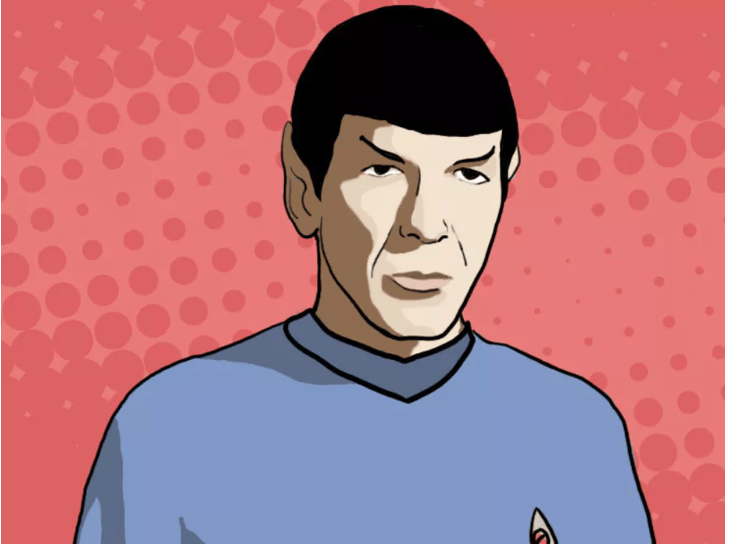
This week, part of our lesson addressed the differences people of other cultures can have in reading and understanding the emotional expressivity of those people outside of their perceived “norms” and who better to illustrate those misunderstandings than Spock and the crew of the Enterprise (trekkie fans rejoice!)? This play on cultural differences was used throughout much of their long, long, (really long) association with each other and gave a clear picture of how often understandings or interpretations can be dependent upon how individuals feel the other “should” act and react to the situations presented. While many of us would relate to the desire of Captain Kirk or Bones to “humanize” Spock’s emotional responses (as fellow Earthers ourselves), one must also take into perspective the viewpoint of Spock himself. Why should he be expected to conform and how do you believe your future ESL or EFL students would feel if they were also under the impression that much of what they said or did was seen as “wrong” by their fellow students or teacher?
Emotional expressivity, I believe, is a wonderful example of how cultures have evolved and adapted to meet the societal needs of the vast amount of Heavenly Father’s children and allow us to learn tolerance and respect while giving each other endless opportunities to love the diversity, we all have, in its many forms. As educators, I feel it is incredibly important to give every student the chance to shine and show how they, themselves, are a part of the glorious whole. This can be done by not passing judgment on those that are different than ourselves and by providing continual chances for students to “instruct” each other on what their “norms” comprise of to promote a classroom environment of equality and acceptance. While Star Trek, in my opinion, is one of television’s best depictions of what acceptance could potentially look like, I do believe an episode where Kirk and Bones serve a mission primarily with Vulcans (as secondary players) would have been a real “eye opener”…
References
Gaigg, S. (2019, February 08). People with autism don’t lack emotions but often have difficulty identifying them. Retrieved February 9, 2019, from http://theconversation.com/people-with-autism-dont-lack-emotions-but-often-have-difficulty-identifying-them-25225 (Image)

